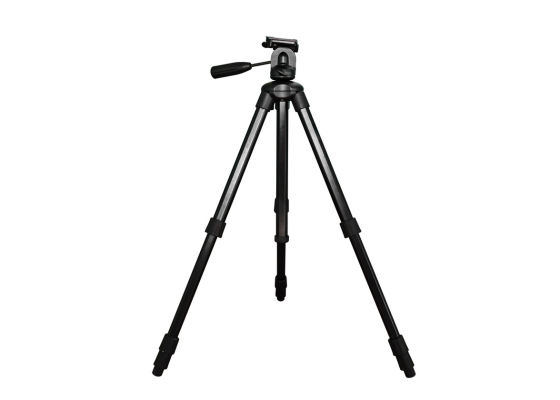
The tripod is a handy image for what supports the Christian life. The three legs of a well-balanced Christian life are prayer, study and action. Each of these three are vital supports to the growth, development and service of one who is a disciple of Jesus. Prayer nourishes our relationship with the Lord. Study of the Sacred Scriptures, the Catechism and the documents of the Church enriches our faith. Action is another word for service – to the poor, to our neighbor or to anyone else, that flows from our knowledge and love of God. Let’s consider each of them briefly.
Prayer is the way we relate to God, to hear his voice, to receive his love and draw close to him. Without prayer, we really don’t have a relationship to God our Father, Jesus our Savior or the Holy Spirit our Advocate and Consoler. Without drawing close to the Lord through prayer, Jesus is simply one of many historical figures. But our Lord wants so much more for us. He wants to reveal himself to us, not simply as an historical figure – like George Washington – but as sovereign Lord and intimate friend. Prayer nourishes our faith that “with God all things are possible,” but that “apart from him we can do nothing.” Prayer is what sustains us in this life and nourishes our relationship with God.
Study is the active pursuit of knowing and understanding God. While we often pray with Sacred Scripture, we should also study it to be moved by it and formed by it, that we might live by God’s divinely revealed word. Furthermore, an ongoing study of the Catechism of the Catholic Church deepens our understanding of divine revelation and the mysteries of our faith. Study gains for us a more profound grasp of the unity of our faith. Beyond Sacred Scripture and the Catechism, the study of the documents from the Second Vatican Council or a regular reading about the lives of the saints teaches us about the cardinal virtues and heroic lives of faith. Study feeds our faith and draws us back to prayer.
The third pillar of this tripod of the Christian life is that of Action. Action simply means putting our faith into practice. Jesus said, “Love one another as I have loved you.” (John 15:9) The life of prayer and study prepares us to move beyond our self-concern to make a generous gift of ourselves to others in Christian service. Action takes place through the corporal works of mercy – feeding the hungry, sheltering the homeless, visiting the sick, and so forth. But Christian action can often be done by sharing our faith, asking others how we might pray for them, recommending a good spiritual book or devotional practice, or sharing with others something we heard in a homily or read in an article. Christian action is taking our faith out into the public square – not by standing on a street corner but by the consistent witness of our faith wherever we go.
The Christian life is meant to be a witness to others that faith, hope and love for God is credible. This is more than just “doing Christian things.” By the consistent witness of being one who prays, one who is undergoing lifelong faith formation and quietly puts their life at the service of others – an authentic witness of the Christian life becomes attractive to all. This is what I believe made St. Teresa of Calcutta such a powerful witness of authentic Christianity. Hers was a life of prayer, the intimate study of the life of Jesus and of generous freehearted service to the poorest of the poor. She made Christian ideals visible to all.
Each of us may tend to engage in one of the three pillars of the Christian life more than the others. Someone who prays regularly but does not engage in Christian action – the gift of self in service to others – may have faith but lack in the works of mercy. Or someone who has no relationship with our Lord through prayer but is active in good works is more like a social worker than a disciple of Jesus. Another person might give themselves to a scholarly study of Christian principles but never actually have faith in what they have studied. All three “legs” of the tripod of prayer, study and action are equally important.
As we look to the lives of the saints, they are exemplary in their ongoing life of prayer, study and action. The martyrs of the early Church lived their faith without compromise and were persecuted for it. Other saints who founded schools and hospitals were animated by a life of prayer which impelled them to “go forth to love and serve the Lord.” Prayer, study and action are necessary for the ongoing growth and development of the Christian life. Each of us could probably name people in our lives who are good examples of the integrated life of prayer, study and action.
In these days of Lent we might look more closely at the tripod that is our Christian life. Are all three legs of prayer, study and action strong and sturdy in our life of faith? Which one of them is the weakest? Which of them may be compromising an authentic witness of the Christian life because we “don’t get anything out of prayer,” or we don’t take time to read and study the Catholic faith, or because we give little or no time to the Christian service of others. Perhaps Lent can be a time to rebalance the tripod of our Christian life, to be strong and sturdy for the praise and glory of God.