Dictionary definitions for “intoxicated” or “intoxication” include: 1) overpowering exhilaration or excitement of the mind or emotions; 2) mentally or emotionally exhilarated; 3) acting as or having the effect of a poison. The word “toxic” describes the effect that some substances have on our bodies and minds. Usually, the effect is a negative one – causing an impairment of our minds to comprehend and our bodies to respond in some compromised way. To be intoxicated is to be under the influence of something that seems to have gained power over us. Being under the influence of something implies the loss of control of our faculties, to some degree.
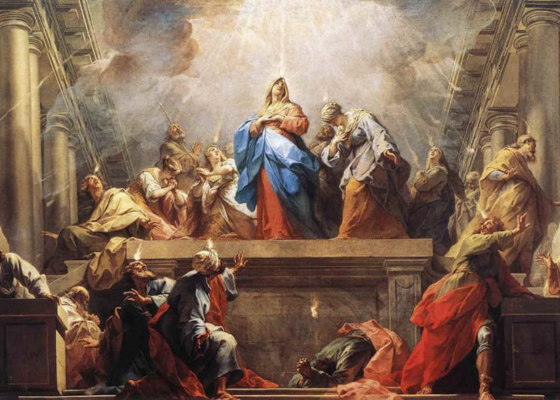
Yesterday, we celebrated the great Feast of Pentecost – when the Holy Spirit “who proceeds from the Father and the Son” came down upon the Apostles and many other disciples, thereby establishing the Church. Simply put, Pentecost left them under the influence of the Holy Spirit. The description of that great event in the Acts of the Apostles (2: 1-11) is a testimony to the overpowering and exhilarating effects of the Holy Spirit in their lives. And from that moment on, they worked mighty deeds - preaching, healing, transforming minds and hearts and bearing witness to their faith in Jesus.
Cardinal Raniero Cantalamessa, OFM Cap., served as the preacher for the papal household in Rome from 1980-2024. In 2005 he published a book entitled Sober Intoxication of the Spirit: Filled with the Fullness of God. This title references the event of Pentecost and the effect of the Holy Spirit upon those gathered. We read in Acts 2: 12-17a, “They were all astounded and bewildered, and said to one another, ‘What does this mean?’ But others said, scoffing, ‘They have had too much new wine.’ Then Peter stood up with the Eleven, raised his voice, and proclaimed to them, ‘You who are Jews, indeed all of you staying in Jerusalem. Let this be known to you and listen to my words. These people are not drunk, as you suppose, for it is only nine o’clock in the morning. No, this is what was spoken through the prophet Joel: ‘It will come to pass in the last days,’ God says, ‘that I will pour out a portion of my spirit upon all flesh.’”
The Holy Spirit was conferred upon us when we were baptized. That baptismal grace was strengthened by the gifts of the Holy Spirit when we were confirmed. Therefore, each of us is meant to live a life that is “under the influence” of the Holy Spirit. This is not something optional in our lives as Catholics. No, we are meant to be completely docile to the Lord by actively inviting the Holy Spirit to guide and direct our lives. The “sober intoxication of the Spirit” is an apt description for the disciples of Jesus who are open to living their lives under the influence of the Holy Spirit.
In his first letter to the Thessalonians (5: 16-22), St. Paul writes this: “Rejoice always. Pray without ceasing. In all circumstances give thanks, for this is the will of God for you in Christ Jesus. Do not quench the Spirit. Do not despise prophetic utterances. Test everything; retain what is good. Refrain from every kind of evil.” Here the word “quench” is used to mean “extinguish.” Do not quench the Spirit refers to the fire of grace that came upon the apostles at Pentecost – and that came upon each of us in Baptism when the one who baptized us lit our baptismal candle and said, “Receive the light of Christ.” St. Paul is saying, do not quench the light of Christ and the promptings of the Holy Spirit within you.
While most of us may not be consciously quenching the Spirit of God in our lives, we may have yet to fully cooperate with the Holy Spirit and open our minds and hearts to invite the Holy Spirit to take charge. At the same time, we quench the Spirit whenever we decide NOT to let God be in charge of our lives. So, for example, someone invites you to a bible study at your parish, or a prayer meeting for healing, or to a group that reads and discusses the lives of the saints – and your immediate reaction is, “That’s not for me.” Really? Why the dismissal of it so quickly? Why protest if the one who invites you asks a second time? Now this doesn’t mean that we must participate in each and every thing to which people invite us. But it does mean that we ought to prayerfully consider it before we so quickly dismiss it. Why so often the resistance?
A life that is lived “under the influence” of the Holy Spirit is that of one who has surrendered their life to God in faith without knowing where it will lead. In John 3:8, Jesus says, “The wind blows where it wills, and you can hear the sound it makes, but you do not know where it comes from or where it goes; so it is with everyone who is born of the Spirit.” It is our faith in God as Lord and our confidence that he is with us always (Matthew 28: 20) that enables us to put faith in the love God has for us. Faith is an adventure in grace, and it is tremendous freedom to let God be God and Lord of our lives.
I often encourage people to read the entire book of the Acts of the Apostles (28 chapters) during the Easter season. It not only fans the fire of our faith but shows us what life in the Spirit can be like. In that regard, it would also be helpful to read Cardinal Cantalamessa’s book, Sober Intoxication of the Spirit. But first and foremost, simply pray from your heart and ask the Holy Spirit to renew your faith in the Lord who wants to reveal more and more of his love to you. Ask for the faith to trust that this will be a blessing for you, so much richer than life when we place limits on the Holy Spirit in our lives.